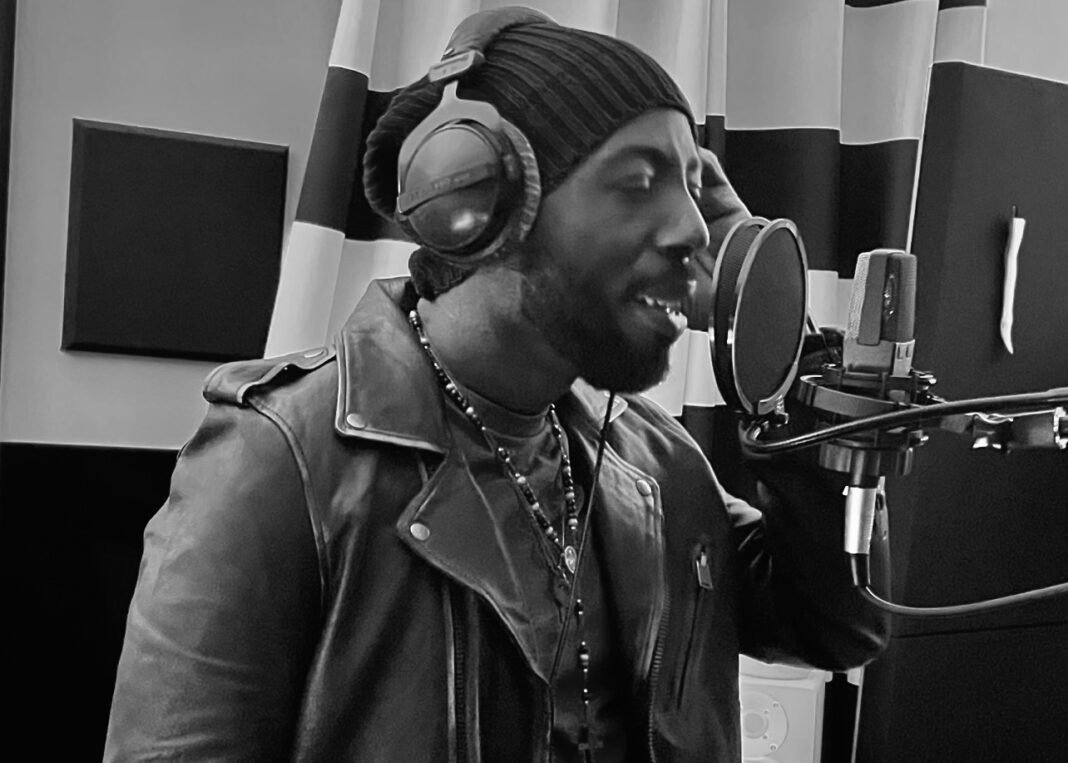

The Many Faces of Michel Martelly
Michel Joseph Martelly is one of Haiti’s most influential and controversial figures, known for his dual legacy as a music superstar and a former President of Haiti (2011–2016). Long before stepping into politics, Martelly built a name for himself in the Haitian music industry under the stage name “Sweet Micky,” revolutionizing the compas genre and redefining the role of an entertainer in Haiti.
Through his music, he brought a new level of energy, charisma, and sometimes provocative antics to Haitian compas, solidifying himself as one of the most recognizable and polarizing figures in Haitian popular culture. His contributions to music extend far beyond entertainment—he modernized the compas, influenced generations of musicians, and expanded the reach of Haitian music globally.
This article explores Michel Martelly’s extensive career in music, his impact on the Haitian music industry, and the legacy he leaves behind.
Early Life and Musical Beginnings
Michel Martelly was born on February 12, 1961, in Port-au-Prince, Haiti. He was raised in a middle-class family and attended Saint-Louis de Gonzague High School before moving to the United States in the 1980s. While living in Miami, Florida, Martelly was exposed to various musical influences, including American jazz, funk, and rock, which later shaped his unique style in Haitian compas.
By the late 1980s, he returned to Haiti and began performing at nightclubs and hotels. His performances quickly gained attention due to his vibrant energy, humorous stage presence, and ability to engage audiences like never before. This marked the birth of Sweet Micky, a persona dominating the Haitian music scene for the next two decades.
The Rise of Sweet Micky: A Musical Revolution
During the late 1980s and 1990s, Sweet Micky became one of the most influential figures in Haitian compas music. Unlike traditional compas artists who focused primarily on polished performances and lyrical elegance, Martelly brought an edgier, more rebellious energy to the stage.
Key Aspects of Sweet Micky’s Musical Style
- Innovative Compas Sound – Martelly modernized compas by incorporating electronic keyboards, synthesizers, and fast-paced beats, making it more danceable and appealing to younger generations.
- Provocative Performances – His concerts were high-energy spectacles, often featuring Martelly stripping off his shirt, wearing wigs, or using profanity to entertain and shock audiences.
- Satirical Lyrics – He infused his music with political and social satire, using humor and sharp criticism to address Haiti’s corruption, poverty, and governance issues.
- International Reach – Unlike many compas artists who remained popular primarily in Haiti, Sweet Micky expanded his influence to Haitian diaspora communities in the U.S., Canada, France, and the Caribbean.
Major Albums and Hit Songs
Sweet Micky released over a dozen albums, each showcasing his evolving sound and deepening connection with his audience. Some of his most notable works include:
- “Ou La La” (1988) – One of his first major hits, blending traditional compas with electronic elements.
- “I Don’t Care” (1994) – A bold and provocative album that became a fan favorite.
- “Votez Micky” (2005) – Released long before he ran for office, this song humorously hinted at his potential political ambitions.
- “Pa Manyen” (2008) – A track that solidified his position as a fearless social commentator, addressing political unrest and corruption.
His live performances were just as important as his studio albums. Sweet Micky’s concerts were legendary, often lasting several hours and featuring improvised jokes, audience interaction, and unfiltered social commentary.
Impact on the Haitian Music Industry
Michel Martelly’s influence on Haitian music is immeasurable, with several key contributions that have shaped the industry.
1. Modernizing Compas Music
Before Martelly, compas music was more traditional, structured, and often performed with large orchestras. Sweet Micky introduced synthesizers, drum machines, and electric keyboards, modernizing the genre and making it more accessible to younger audiences.
His innovations paved the way for future artists like Carimi, T-Vice, and Gabel, who incorporated similar techniques in their music.
2. Breaking Social and Musical Taboos
Martelly was a rule-breaker in both music and social discourse. His willingness to tackle controversial topics use humor, and challenge authority made compas more engaging and reflective of Haitian realities.
His boldness empowered younger musicians to experiment with new styles and push creative boundaries.
3. Elevating Haitian Music on the Global Stage
Through extensive international touring, Sweet Micky expanded Haitian compas beyond Haiti and the Caribbean, reaching audiences in:
- Miami, New York, Montreal (Haitian diaspora strongholds)
- France and Belgium (Francophone markets)
- The Dominican Republic (where compas gained significant popularity)
His music helped bridge the gap between Haitian and international audiences, bringing compas to the world stage.
4. Political Influence in Music
Martelly’s strong personality and fearless attitude eventually led him into politics, but his influence on the music industry remained. Many Haitian artists followed his example by using music as a tool for social and political change.
Artists such as Wyclef Jean, Boukman Eksperyans, and Kreyòl La continued integrating activism with music, proving that compas was more than dance music—it was a powerful form of protest and cultural expression.
The Transition to Politics (2011–2016)
2011, Michel Martelly shocked the world by announcing his candidacy for President of Haiti. He ran as an anti-establishment figure, using his popularity as a musician to mobilize voters, particularly among Haiti’s youth and the diaspora.
After winning the election, he served as Haiti’s President from 2011 to 2016. Though his presidency was marked by controversy, political struggles, and mixed reviews, it solidified his status as one of Haiti’s most remarkable public figures—a rare case of a musician becoming a head of state.
Legacy and Influence Today
Even after leaving office, Michel Martelly remains dominant in Haitian music. He has made several comebacks with new music and performances, proving his influence has not waned.
His legacy includes:
✔ Reshaping Haitian compas with modern sounds
✔ Inspiring younger musicians to be bold and innovative
✔ Bringing Haitian music to international platforms
✔ Using music as a tool for political and social commentary
Sweet Micky is more than just a musician—he is a cultural phenomenon. His impact on Haiti’s music industry is undeniable, and whether loved or criticized, Michel Martelly will always be remembered as a game-changer in Haitian music history.