
One band brings decades of international konpa history; the other combines a forceful frontman with a streetwise, high-impact sound. Together, they can make a concert lineup feel like a musical trial by fire.
HMI Magazine | Performance Analysis
When Tabou Combo and Djakout #1 share a bill, the challenge for every other band is clear: how do you follow acts with deep catalogs, instantly recognizable sounds and the ability to turn a crowd into part of the performance?
The image that comes to mind is a New York City D train bearing down on you. You can feel the force before it arrives. That is how many listeners describe the live impact of these two Haitian bands: the groove hits hard, the familiar songs draw people in, and the energy can carry even someone who didn’t arrive as a konpa fan.
They are different kinds of musical heavyweights. Tabou Combo draws on a history stretching back to the late 1960s. Djakout #1, formed in its current identity in 2010 after a split from Djakout Mizik, built its reputation around a harder-edged, street-level sound and commanding live shows.
Tabou Combo: the power of a living legacy
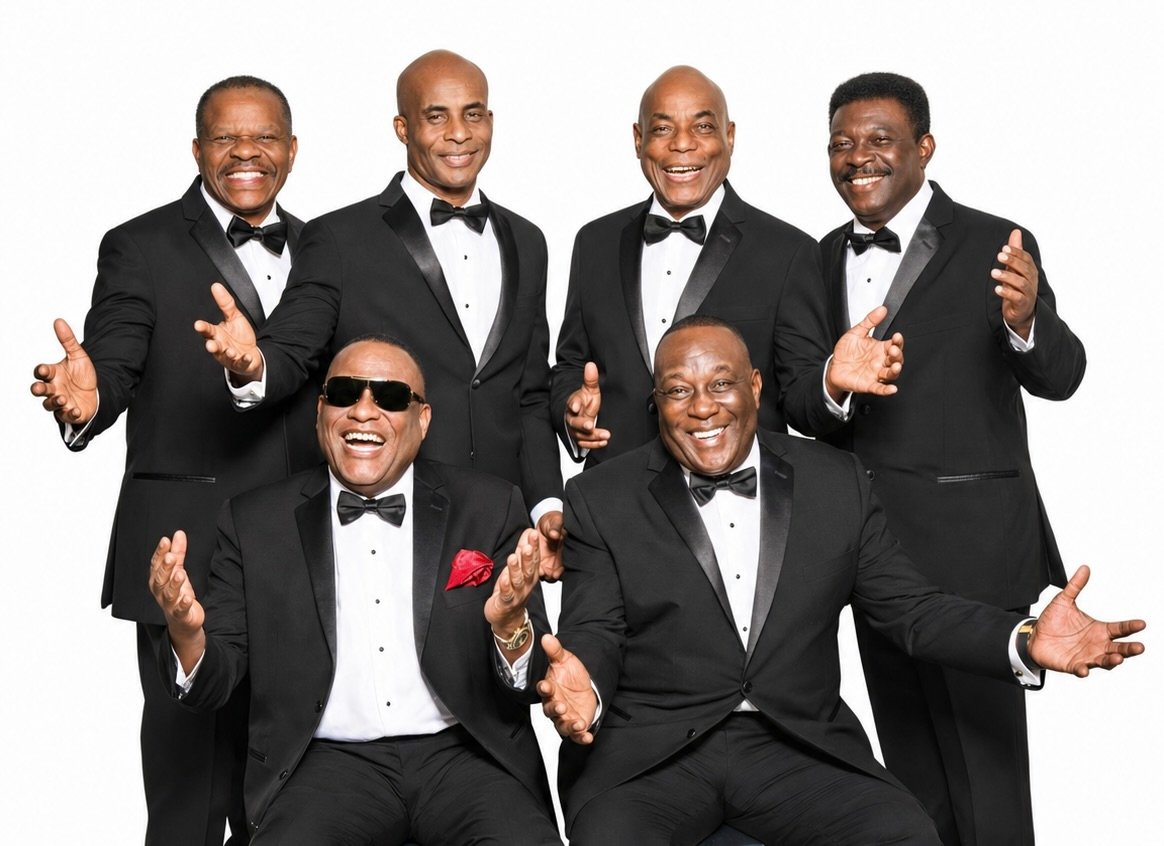
Tabou Combo’s strength begins with its sound. The band’s own biography describes a dense blend of konpa, merengue, rara, percussion, interlocking guitars, piano, and horns. That layered arrangement gives the music a rolling groove: each part has room to move, while the rhythm keeps pulling the audience forward.
The band’s history adds another dimension to a live set. Songs such as “New York City,” “Aux Antilles,” “Mabouya” and “Tu as Volé” connect generations of listeners to a shared musical memory. “New York City” helped carry Tabou’s music into Europe in the 1970s, and its repertoire has continued to travel across the Caribbean, North America, and beyond.
That legacy is active, not merely nostalgic. The band’s official biography describes a performance style built around rhythm and audience participation; recent coverage of a Tabou concert in Montreal likewise emphasized its continuing ability to get a crowd dancing.
Djakout #1: Pouchon and the hooks
Djakout #1’s secret weapon is not just Pouchon Duverger, though he is a major part of it. The Haitian Music Archive credits him with vocal power, strong stage presence, and a distinctive connection with audiences. He joined Djakout Mizik in 1997, and his voice became closely tied to the group’s identity.
But a frontman can only take a band so far without songs that give him something to ignite. Djakout’s impact comes from the way its music pairs direct melodies and memorable hooks with driving percussion, hard rhythmic accents, and lyrics that speak in a language listeners recognize. The band’s repertoire moves from romantic songs to carnival anthems and public commentary, giving it more than one way to reach the room.
That range matters in a live show. A familiar chorus can bring a crowd together; a rhythmic break can turn the floor into a dance party; a forceful vocal entrance can raise the temperature again. Pouchon is the spark, but the arrangements and catalog keep the fire going. Djakout’s secret weapon is the combination.
Why the lineup can feel intimidating
A band following Tabou or Djakout is not simply competing with the act that just played. It is competing with audience memory: decades of songs, signature sounds, and moments people came ready to relive. That can create pressure for any performer, especially when the crowd has already reached a high point.
The danger is that a younger band may try to answer that pressure by imitating the headliners or packing too many songs into a short set. The stronger response is to know its own sound, deliver a focused performance, and give the audience a reason to remember that band on its own terms.
In conversations HMI Magazine has had with musicians across the Caribbean and the Haitian music world, one assessment comes up repeatedly: these two bands are heavy. Among acts discussed as capable of standing up to that stage force, T-Vice is singled out most often. That is an industry impression, not a universal ranking—but it reflects the respect these performers command. T-Vice and Djakout have faced each other in headline “choc” concerts, including events in 2012 and 2018, showing that the rivalry has a history onstage.
A catalog built for the concert stage
A large repertoire gives Tabou Combo and Djakout #1 a special advantage. They can change a set to match the crowd, move between generations of hits, and build momentum through familiar refrains. A band with that kind of catalog does not need to rely on elaborate stage effects to hold attention. The songs themselves can do the work.
That does not mean the performance is automatic. The musicians still have to deliver the groove, pace the show, and bring each song to life. Their experience helps them understand when to stretch a rhythm, when to hand the moment to a singer, and when the audience is ready for the next hit.
So is Djakout’s secret weapon Pouchon, or the hooks? It is both, and more. Pouchon gives the songs a recognizable voice and commanding presence. The hooks make them stick. The band’s rhythmic attack turns that recognition into movement.
Tabou Combo’s strength is its own blend of musical depth, history, and dance-floor instinct. Djakout #1 brings a more immediate charge, with Pouchon as a focal point and a songbook designed to connect quickly. When both bands are on the same lineup, the challenge is formidable. When they start playing, though, the audience understands why these names still carry such weight.
By the HMI Magazine Cultural Staff