
HMI MAGAZINE | MUSIC & ENTERTAINMENT
More than three decades after emerging as one of Haitian music’s most distinctive voices, the legendary singer continues to captivate generations, demonstrating that musical excellence and artistic longevity remain powerful forces in the konpa industry.
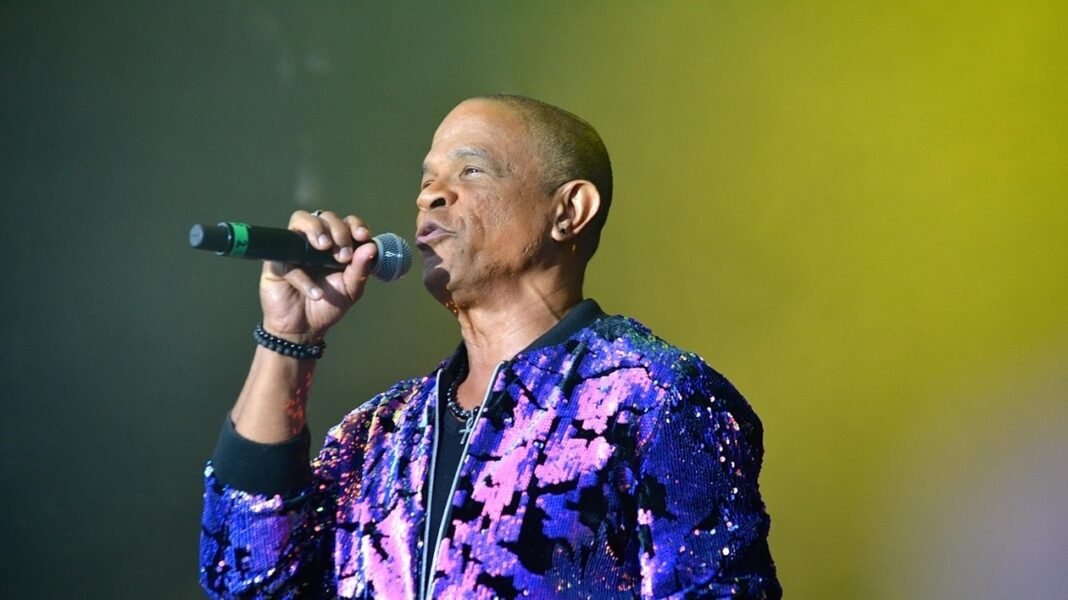
More than 35 years after establishing himself as a defining voice in Haitian music, Alan Cavé continues to demonstrate the remarkable staying power of an artist whose music has transcended generations. His latest anniversary concert series, Se Pa Pou Dat 25/35, celebrates not only an extraordinary career but also the enduring popularity of romantic konpa in an industry increasingly influenced by changing musical trends.
The celebration reached an important milestone on November 8, 2026, with a highly anticipated concert at Place Bell in Laval, Quebec. Built around two significant anniversaries, 25 years since the release of his influential album Se Pa Pou Dat and approximately 35 years of musical achievements, the event highlighted the lasting relationship between Cavé and audiences who have followed his career for decades.
Widely recognized as the “King of Konpa Love,” Cavé has developed a distinctive musical identity through his smooth vocals, poetic songwriting, and sophisticated arrangements. His ability to transform personal experiences of love, heartbreak, desire, and reconciliation into memorable compositions has made him one of the most respected romantic voices in Haitian popular music.
His musical journey began during his teenage years, when he performed a composition written by his father, celebrated Haitian playwright and songwriter Syto Cavé, and musician Boulo Valcourt. That early experience helped establish the artistic foundation for a career that would eventually influence the direction of modern konpa.
Cavé’s breakthrough came through his association with the legendary band Zin, which he joined in the late 1980s. During this period, his songwriting and vocal performances contributed to a musical approach that blended traditional konpa rhythms with elements of zouk, contemporary arrangements, and emotionally expressive storytelling.
Zin became an important force in the evolution of Haitian dance music, while Cavé’s distinctive voice helped establish a recognizable sound that resonated throughout Haiti and its international diaspora.
His subsequent solo career further strengthened his reputation. The release of Se Pa Pou Dat in 2001 marked a defining chapter, producing songs that became closely associated with romantic konpa and helping establish Cavé as a leading solo performer.
Twenty-five years later, the album’s title has acquired an additional meaning. In Haitian Creole, Se Pa Pou Dat suggests something that has existed for a long time. For Cavé, the expression now reflects the longevity of his musical legacy and the emotional connection his compositions continue to maintain with listeners.
The success and continued interest surrounding the 25/35 anniversary celebration illustrate an important reality within the Haitian music industry: artistic longevity depends on more than popularity during a particular era. It requires a repertoire capable of remaining relevant as audiences, technology, and musical preferences evolve.
Cavé has achieved that distinction by developing songs that function as emotional landmarks for listeners. His recordings remain familiar at weddings, social gatherings, concerts, and celebrations across Haitian communities in New York, Miami, Montreal, Boston, Paris, and beyond.
Perhaps most significantly, his music continues to reach younger audiences who were not yet born when some of his best-known compositions were first released. That intergenerational connection has become one of the strongest indicators of his lasting cultural influence.
Unlike artists who depend primarily on temporary musical trends, Cavé has maintained a recognizable artistic identity while allowing his sound to evolve. His compositions reflect a balance between traditional konpa, zouk influences, contemporary production, and the romantic storytelling that has defined his career.
Beyond performing, Cavé has also demonstrated a commitment to the future of Haitian music through his independent label, AC Records Entertainment & Distribution, and efforts to collaborate with emerging artists. His continued recording activities suggest that the anniversary celebration is not intended as a farewell to the industry but as another chapter in an evolving artistic journey.
For HMI Magazine, the significance of Alan Cavé’s latest tour extends beyond attendance figures or commercial performance. It demonstrates the value of artistic consistency, professional endurance, and the ability to build a catalog that remains meaningful long after its original release.
At a time when many musicians struggle to sustain public attention beyond a few successful recordings, Cavé’s career offers an important example of how musical identity, disciplined songwriting, and genuine audience relationships can support long-term success.
His continued prominence also reinforces the international importance of Haitian konpa, a genre whose cultural influence has grown through the dedication of artists willing to preserve its foundations while exploring new musical possibilities.
Alan Cavé’s greatest achievement may not simply be his 35 years in music, but his ability to make those years matter to successive generations. His songs have become part of the emotional history of Haitian communities, connecting memories of the past with celebrations of the present.
With Se Pa Pou Dat 25/35, Cavé reminds the Haitian music industry that genuine artistic success cannot be measured by fleeting popularity alone. It is measured by the music that survives, the audiences that remain, and the generations that continue to sing along.
For an artist whose career has been built on love songs, the message is particularly fitting: after more than three decades, the love between Alan Cavé and his audience remains remarkably strong.
Editorial note: The November 8 Place Bell concert and anniversary concept are based on the supplied event information. Final attendance figures, ticket sales, and the overall commercial performance of the tour have not been independently verified by HMI Magazine.
The HMI Magazine Cultural Desk